Author: Shaun P Kernahan

Reactions to the new MiLB/MLB Agreement

Reactions to the new MiLB/MLB Agreement

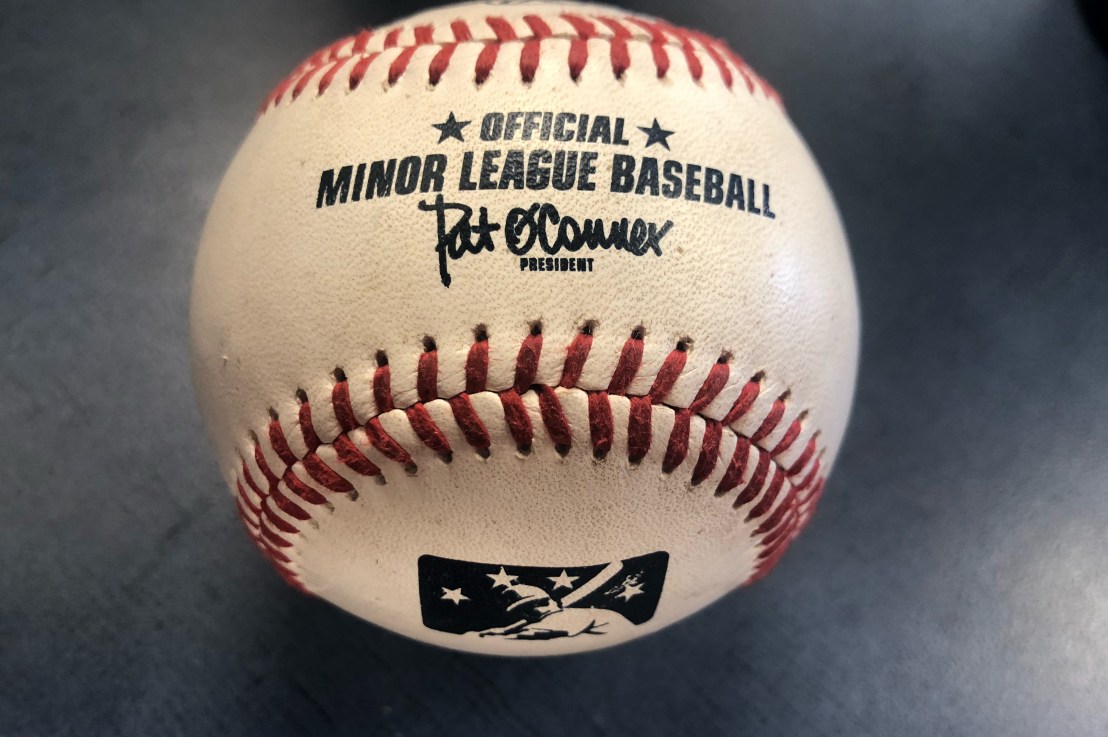
Major League Baseball sent out a press release on Friday, February 12 announcing all 120 Minor League Baseball teams, their affiliations, and highlighting some features of the agreement. All 120 teams have agreed to 10-year deals, meaning there will not be the every-other year shuffle of affiliates so fans really start following a given team’s system that plays in their town for the next decade. Every team that was extended an invitation to be among the affiliated clubs accepted, with the only one that did leave some doubt being the Fresno Grizzlies as they dropped from Triple-A all the way down to Low-A.

Much has been made of the less than creative league names, but that is sure to change sooner than later, and there is plenty of question about how the 2021 season will look given the ongoing pandemic, but what about the long-term implications of the deal? Let’s dive into the good, the bad, the misleading, and some wish list items that has come out of the deal.

Good

10-year deal: This is big, the mass shuffle of affiliates is now a thing of the past and the clubs can truly market themselves as an extension of the big-league club they are affiliated with. No longer will we see a team like the Lancaster Jethawks (more on them in the bad) who were affiliated with five different big-league clubs in their 24 seasons.

Low-A Warm Weather: This one is easy to overlook, but the swapping of progression for most teams at the A ball level makes much more sense now compared to the past. No longer will we see players make their full season debut, in April, in Ohio or Michigan, or Wisconsin, instead they will be in Florida, California, or the Carolinas. It may not seem like much, but there is enough of an adjustment for a high school draftee transitioning into pro ball without many having to pitch in near freezing temps for the first time.

Bad

42 Cities Removed: There are now 43 cities across the county that used to have an affiliated minor league club that don’t anymore. This means states like Colorado go from having multiple minor league teams to none, while states like Montana have no affiliated baseball of any kind in their state any longer. True, many have turned into summer collegiate leagues or independent teams, but a place like Lancaster, California lost their 25th season to the pandemic and currently sit with no immediate plans to host a baseball team any longer.

Shortened Draft: The draft has been shortened from 40 rounds to 20. This is not a massive issue since the great majority of big-league ballplayers are either international signings or were drafted in the top five rounds, but it cuts the number of players who get to call themselves pros in half.

Misleading

Salary Increases: In the release, the first bullet point of the “many improvements” is a 38-72% increase in player salaries. This was much needed but is also highlights just how bad player salaries were. JJ Cooper of Baseball America helped crunch the numbers and Rookie level salaries (yes, there is still Rookie ball, but complex only) went from $290/week to $400/week. Both levels of A ball went from $290/week up to $500/week (the biggest jump of any level), while Double-A now gets paid $600/week compared to $350/week and Triple-A jumps to $700/week from the old rate of $502/week. Players only get paid during the season, so 6 months of A ball means a player makes roughly $13,500/year while Triple-A players make $18,200. Compare that to the Triple-A player who is on a big-league deal with a minimum wage of $570,500, which would be $21,942.331/week if paid out over the same time frame. This means one player could make more in a single week than another makes for an entire season.

Better Geographical Alignment: The release points out that, on average, Triple-A clubs are more than 200 miles closer to their MLB affiliate than previous seasons. For the most part this is an improvement, but there are still some outliers that stick out like a sore thumb. The Colorado Rockies Triple-A affiliate is still down in Albuquerque, New Mexico but their Double-A affiliate remains all the way out in Hartford, Connecticut. Then there is the High-A East which has five teams in the North Division and seven in the South Division that will include bus rides from Brooklyn, New York down to Rome, Georgia and back. Sure, scheduling will likely have those teams make stops at other clubs along the way, but that doesn’t exactly scream “better geographical alignment”.

Modernized Facilities: Part of the agreements between the Minor League and Major League teams included requirements for improvements, modernization, and general upgrades for fans, players, and staff alike. At first glance this doesn’t seem like it could be anything but a good, but let’s take a look at why so many ballparks need improvements. The old California league teams, now mostly consisting of the Low-A West division, saw Bakersfield and High Desert run to the Carolina League back in 2016. The remaining teams didn’t have commitments for more than a handful of years, makes it tough to commit to sinking millions into ballpark improvements. Then there is the Rocky Mountain Vibes, formerly the Colorado Springs Sky Sox, who saw their Triple-A team move to Amarillo only to be replaced by a short-season club, then be eliminated from affiliated ball all together. It is no surprise, with all those moving parts and without a long-term commitment, the owners of the ballpark didn’t dig up right field and insert better irrigation at a field that would rain out with the sun shining because water would merely pool in the outfield rather than drain.

Wish List

MiLB TV Everywhere: Now that MLB has taken over operations of MiLB and there are long term commitments, there is no reason every club shouldn’t have their own broadcast team. This would take some time, but part of the modernization of the ballparks should come with the addition of camera wells and a broadcast booth ready for TV. MLB Network could then pick a Game of the Week to air mid-week, mid-day to fill programing but also allow fans to see the stars of the future and highlight great minor league cities.

Televise the Draft League: The Draft League, an amateur summer league run by MLB in conjunction with Prep Baseball Report, still has many questions looming, and it is not technically MiLB affiliated, but should have its own broadcasting package included in MiLB.tv.

Conference/Division Naming Contests: One of the many fun aspects of Minor League Baseball is the naming rights contests for teams when they move or re-brand that sees fans submitting crazy names and voting on them to determine what the team’s moniker will be moving forward (see Rocket City Trash Pandas). Why not take a big negative out of the announcement (uninspired league/conference/division names) and turn it into a positive by opening it up to a fan vote?

Allow Loans: Ok, this may be a wild idea on the surface, but stay with me. Under the new schedule of a July draft, teams will likely negotiate future contracts (i.e., drafted in 2021 but the contract begins in 2022), so why not allow teams that make up the Indy ball circuit loan those college draftees? This allows teams to sign a player to a same year contract, reducing the negotiation struggles sure to come with agents and teams arguing over when the contract begins, and let Indy teams bid to pay the player’s salary that summer in exchange for them suiting up for those teams. This wouldn’t work for top of the draft guys, and high school picks will likely head to the complex leagues but sending the 15th round college senior to the Missoula PaddleHeads helps strengthen the relationship with “partner leagues”.

The next twelve months will be fascinating to watch the minor league landscape settle in, but there are opportunities for Major League Baseball to better the game at the lower levels, and a season with so many moving parts as the 2021 season has is the perfect time to give it a shot.


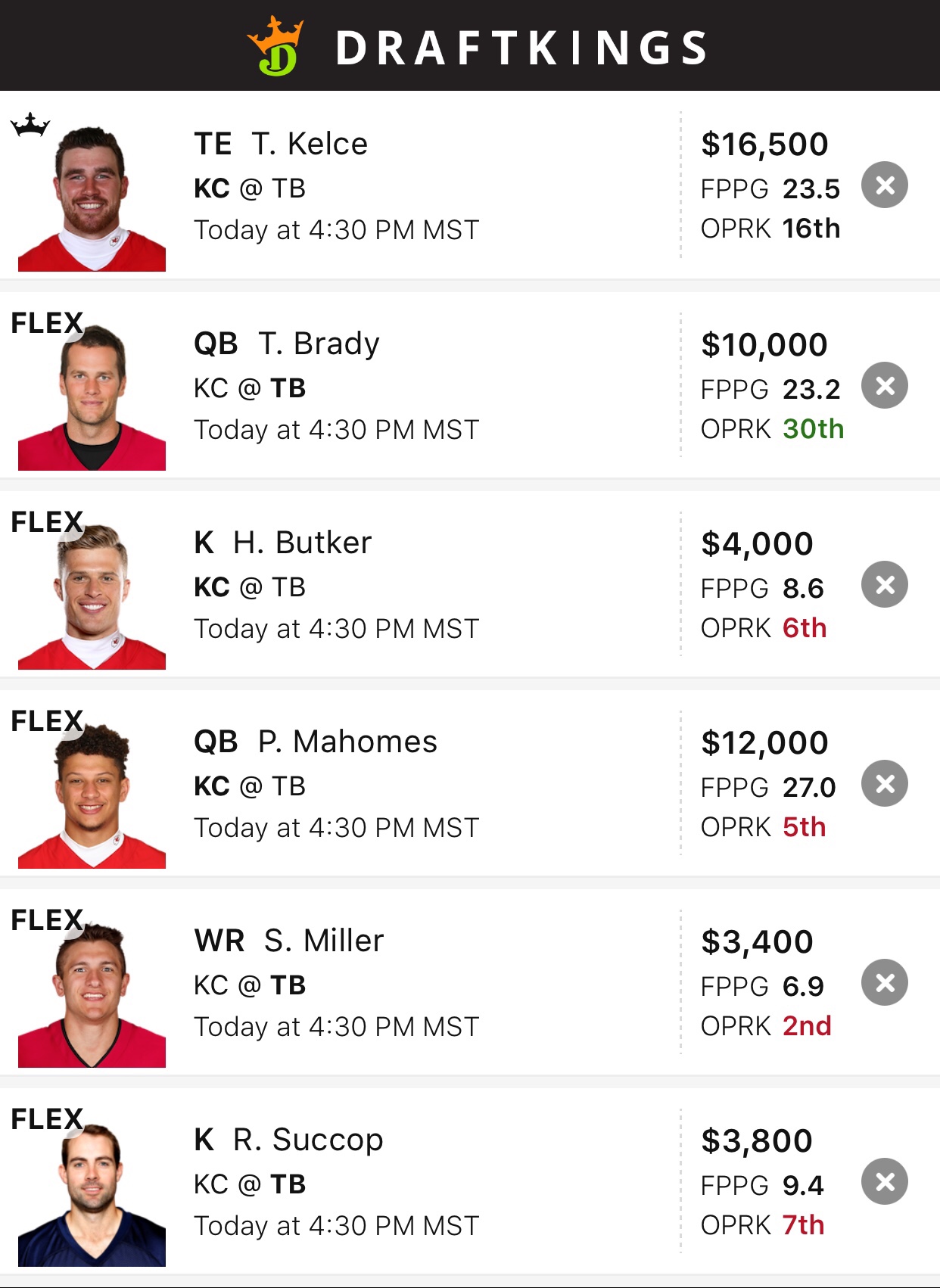
Super Bets!

Super Bets!

BetOddsShaun’s PickTorsten’s Pick
WinnerChiefs -117, Bucs -105BucsBucs
Over/UnderO56 -113, U56 -108UnderOver
Total Players to attempt a passOver 2.5 +165, Under 2.5 -215OverOver
Total Players with a receptionOver 15.5 +13.5, Under 15.5 -167UnderOver
Jersey number of first TD scorerOver 24.5 -121, Under 24.5 -103OverOver
Opening kickoff a touchbackYes -305, No +230YesYes
O or D lineman to score TDYes +800, No -2000YesNo 
A Safety to be scoredYes +800, No -1667NoNo 
Successful 2-pt conversionYes +230, No -305YesYes
First play from scrimmagePass -124, Run +100RunPass

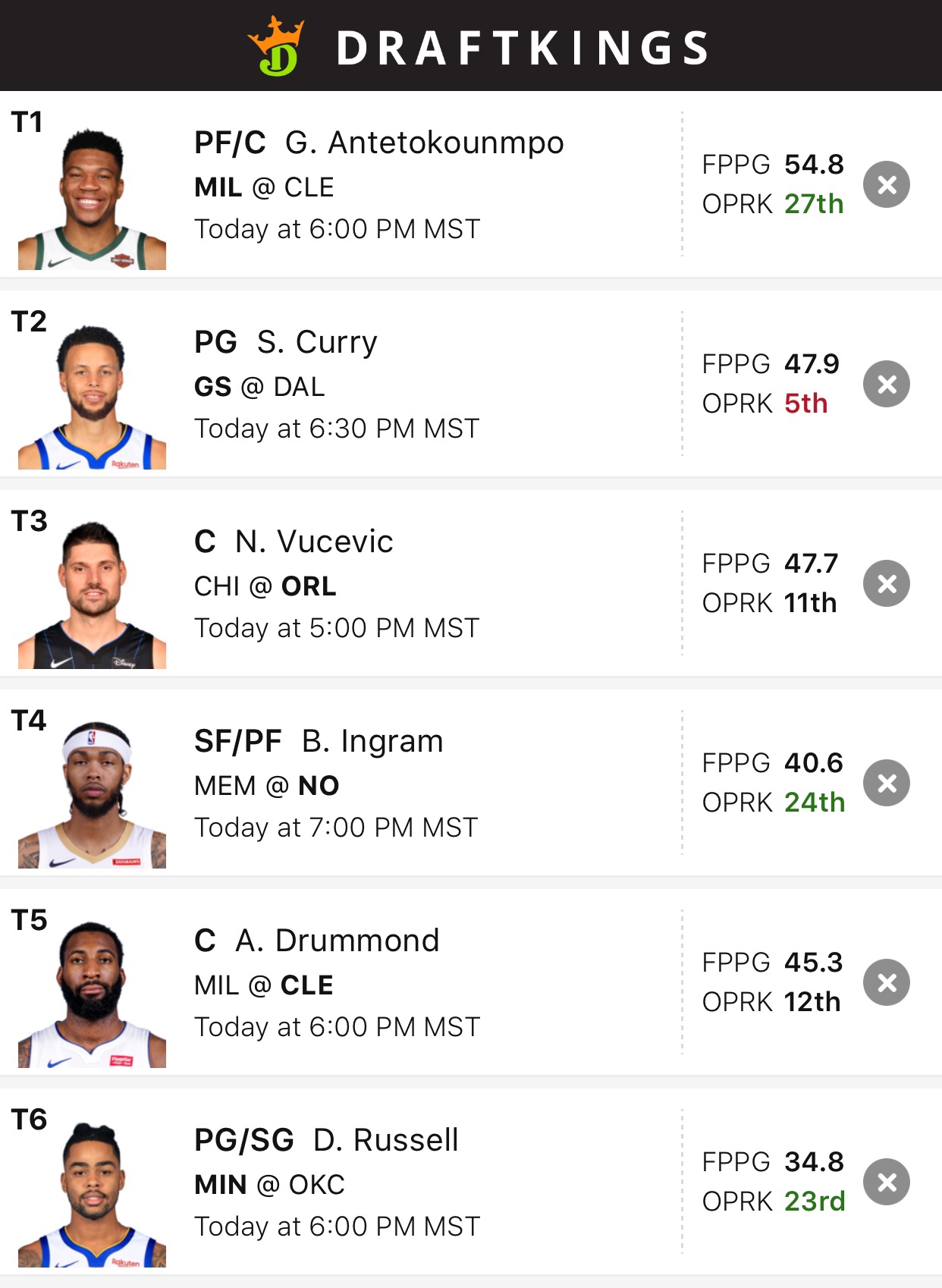
2020 NBA Mock Draft

Rnd. Pick Team Player Pos. School / Country
1 1         Minnesota Timberwolves LaMelo Ball G Australia
1 2 Golden State Warriors James Wiseman C Memphis
1 3 Charlotte Hornets Anthony Edwards G Georgia
1 4 Chicago Bulls Obi Toppin  F Dayton
1 5 Cleveland Cavaliers Deni Avdija F Israel
1 6 Atlanta Hawks Isaac Okoro F Auburn
1 7 Detroit Pistons Tyrese Haliburton  G Iowa State
1 8 New York Knicks Killian Hayes G France
1 9 Washington Wizards Onyeka Okongwu C USC
1 10 Phoenix Suns Cole Anthony G North Carolina
1 11 San Antonio Spurs Saddiq Bey F Villanova
1 12 Sacramento Kings Precious Achiuwa F Memphis
1 13 New Orleans Pelicans Devin Vassel G Florida State
1 14 Boston Celtics  Tyrese Maxey G Kentucky
1 15 Orlando Magic Patrick Wiliams F Florida State
1 16 Houston Rockets  Kira Lewis G Alabama
1 17 Minnesota Timberwolves RJ Hampton G New Zealand
1 18 Dallas Mavericks Aaron Nesmith F Vanderbilt
1 19 Brooklyn Nets  Tyler Bey F Colorado
1 20 Miami Heat Aleksej Pokusevski F Greece
1 21 Philadelphia 76ers  Josh Green  G Arizona
1 22 Denver Nuggets Leandro Bolmaro G Argentina
1 23 Utah Jazz Tyrell Terry G Stanford
1 24 Milwaukee Bucks Tre Jones G Duke
1 25 Oklahoma City Thunder Theo Maledon G France
1 26 Boston Celtics Nico Mannion G Arizona
1 27 New York Knicks Malachi Flynn G San Diego State
1 28 Los Angeles Lakers Paul Reed F DePaul
1 29 Toronto Raptors Vernon Carey  C Duke
1 30 Boston Celtics Cassius Winston G Michigan State


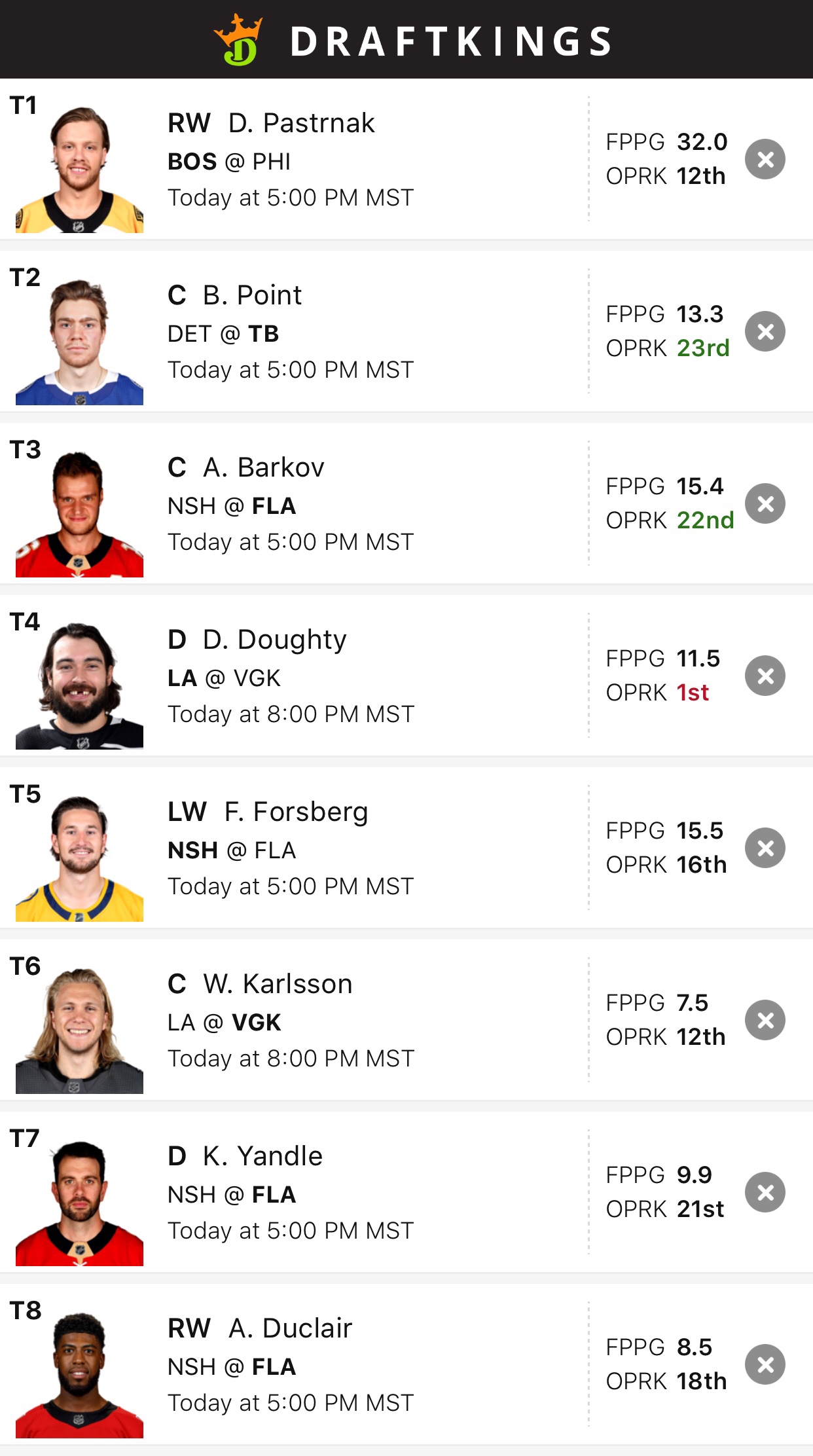
MLB 2020 Season Projections

Baseball starts tonight and the playoff setup is still TBD. I have decided to put the seed number next to the division winners, then Wild Card spot 1-5 next to the potential Wild Card teams so you can see who makes it with standard 2 Wild Card scenarios, and who makes it based on the proposed 5 Wild Card scenario. With teams being separated by region in terms of schedule, it is worth noting I would consider the East to be the toughest, followed by the West, then the Central the easiest. In a traditional year, I would project the Pittsburgh Pirates to have the worst record in baseball, but the Central will allow them to win too many games to get the first pick in next year’s draft, so I project that to go to the Baltimore Orioles.


AL East

1)      Tampa Bay Rays (3 seed in playoffs)

2)      New York Yankees (1st Wild Card)

3)      Boston Red Sox (4th Wild Card)

4)      Toronto Blue Jays

5)      Baltimore Orioles

AL Central

1)      Cleveland Indians (1 seed in playoffs)

2)      Minnesota Twins (2nd Wild Card)

3)      Chicago White Sox (5th Wild Card)

4)      Kansas City Royals

5)      Detroit Tigers

AL West

1)      Houston Astros (2 seed in playoffs)

2)      Los Angeles Angels (3rd Wild Card)

3)      Oakland Athletics

4)      Seattle Mariners

5)      Texas Rangers

NL East

1)      Atlanta Braves (2 seed in playoffs)

2)      Washington Nationals (1st Wild Card)

3)      Philadelphia Phillies (2nd Wild Card)

4)      New York Mets (5th Wild Card)

5)      Miami Marlins

NL Central

1)      Cincinnati Reds (3 seed in playoffs)

2)      Milwaukee Brewers (4th Wild Card)

3)      Chicago Cubs

4)      St. Louis Cardinals

5)      Pittsburgh Pirates

NL West

1)      Los Angeles Dodgers (1 seed in playoffs)

2)      Arizona Diamondbacks (3rd Wild Card)

3)      San Diego Padres

4)      Colorado Rockies

5)      San Francisco Giants


World Series: Tampa Bay Rays over Los Angeles Dodgers

Obscure Movie Reviews, Part 2 of ?: Diggstown

So I dug up an oldie but I thought maybe goodie over the weekend. It had probably been well over 20 years since I had last seen it, but while digging through some internet databases of sports movies throughout history, this one popped up. I had a vague recollection of liking it, but I had to watch it again to make sure that two decades of moderate to heavy drinking didn’t cloud my memory. 

The Movie:  Diggstown

The Sport: Boxing

The Oversimplified Plot: Washed up boxer takes on a town’s toughest ten dudes back to back as part of a con. 

Key Cast Members: James Woods, Lou Gossett Jr. Oliver Platt, Bruce Dern

Rating: 5/10

The Good: First off, the cast is great. Gossett kind of gets whatever the recollective equivalent is of typecast. Show of hands, who thinks of anything other than Iron Eagle when his name comes up? Exactly. When it comes to Woods, people tend to get justifiably distracted by the fact that he is sexual predator of children, but he’s had some solid roles, and apparently “career scumbag grifter” falls right into his wheelhouse. Who’da thunk? Dern and Platt’s careers speak for themselves. 

In terms of the action, the boxing is decent – way better than all of the Rocky movies to be honest, at the risk of being accused of blasphemy. A few of the bit part guys brought in were former professional boxers Rockey Pepeli and Tex Cobb. Fun fact. Relatively unknown at the time, Jim Caviezel played one of Gossett’s opponents. 

The Bad: As decent as the boxing is, fight movies follow a tried and true, and ultimately frustrating script, of the good guy taking a savage beating only to miraculously recover and triumph at the end. One of the things that actually made the first Rocky so great is that he lost to Apollo Creed, a major deviation from Cinderella stories throughout time. Diggstown is no different. In about half of the fights Gossett’s “Honey” Ray Palmer has in the movie, he’s on the verge of getting brutally knocked out before pulling a rabbit out of his hat and getting the win. We know it’s going to happen. For the movie to even exist it HAS to happen. But still. 

The script also leaves a ton to be desired. It’s not awful, but for a movie in which comedy is evidently supposed to be a not insignificant part of the appeal, it really falls flat. There’s one hilarious scene where Woods tries to motivate Gossett by telling him all the things his opponent does that are better than him, and follows it up with “but you’re black.” Rereading that sentence now, maybe it wasn’t that hilarous after all. 

Should You Watch It: Eh. One may understand why 41-year-old me doesn’t get the same enjoyment out of a movie that 18-year-old me got, but I’m embarrassingly no more mature now than I was then. Today, I’d gladly recommend a few other sports movies that will provide a greater enjoyment return on your time investment. But on the flip side, I won’t judge you too harshly if you tell me you watched it and enjoyed it. 

This is the point in the article where I Google the movie and see if I missed anything worth talking about. Apparently, Diggstown only grossed $4 million plus at the box office – about 25% of what it cost to make the movie. So take that for what it’s worth. I was also reminded in my Googling that I neglected to mention Heather Graham was in the movie. And, uh, yeah, she’s quite hot… but I feel like if you really wanted the Heather Graham hotness experience you’d watch Boogie Nights or something – not for a small role in a mediocre boxing semi-comedy. 

Have you seen it? Let us know what you think about it @thestainsports on Twitter. 


Obscure Sports Movie Reviews, Part 1 of ?: Goon

Oh, quarantine life. Is there anything better to do when isolating yourself from society as a deadly pandemic ravages the planet than indulging in obscure sports movies? Honestly, probably. But we’re not really the “better” type. Besides, who doesn’t like a sports movie? Actually, probably a lot of people… but nobody reading any of the content we produce, that’s for damn sure. So here we go.

The Movie: Goon

The Sport: Ice Hockey

The Oversimplified Plot: A likeable dive bar bouncer beats up a hockey player at a game and gets a minor league contract out of it. Because of course that would happen.

Key Cast Members: Seann William Scott, Liev Schreiber

Rating (?/10): 6.5

The Good: Scott is criminally underrated as an actor, and while “likeable, somewhat dimwitted hockey tough guy” isn’t exactly a role that will stretch his method abilities, he nails it as Doug “The Thug” Glatt. You do kind of find yourself pulling for him, much in the way you pulled for Adam Sandler’s Happy Gilmore to beat Shooter McGavin. It’s meant to be a mostly irreverent comedy and succeeds at that, but there is just about enough suspense in the right moments to make you wonder about the outcome.

Irreverent though it may be, it stuck mostly to the notion that it is a hockey movie, and succeeds. Ross Rhea, the enforcer played by Schreiber, seems to be modeled after a real hockey goon – possibly Rob Ray of the similar sounding name, or Gino Odjick. There’s also a scene where Rhea clubs an opposing player upside the head with his stick, ala Marty McSorley, resulting in a suspension and demotion to the minors. (editor’s note: It’s prevailingly unlikely that McSorley was an influence beyond that incident, as he was actually a fairly talented player in his day who also happened to be good at beating face. Guys like Odjick and Ray were simply brawlers.)

Also, while Scott and Schreiber are the only real well-known names in the cast, some of the more minor parts were executed brilliantly. Richard Clarkin is downright perfect as washed up veteran Gord Ogilvey. Jonathan Cherry’s portrayal of goalie Marco Belchior is over the top, but captures the essence of goalies’ legendary quirkiness. Goon even features a bit part by legendary NHL pugilist Georges Laraque, including an homage to one of his real fights where he very politely asked his opponent if he wanted to square up, and then wished the opponent sincere good luck before they traded blows. 

Lastly, it’s loosely (very VERY loosely) based on a true-ish story of Doug Smith, who played hockey on his fighting merits alone in the 1980s. And who doesn’t like a true-ish story?

The Bad: It’s one thing for a movie’s villain to be a hateable character. Everyone hated Alan Rickman in Die Hard, right? That’s because the late, great Rickman was freaking awesome at his craft. Jay Paruchel plays Scott’s best pal in the movie and is easily the worst part of it. His character is so damn annoying that he nearly made me turn off an otherwise thoroughly entertaining movie on multiple occasions. I have no idea if it was just a horribly conceptualized character, or Paruchel just taking it upon himself to be as brutally annoying as possible. Either way, edit him out if anyone ever remasters this.

In most sports movies, the actual sports action is fraught with unrealism. Not always to the point of Rocky IV, where Sylvester Stallone and Dolph Lundgren trade heavyweight haymakers for a dozen rounds when in reality any ONE such punch from a heavyweight landing ends the fight, but Goon is no different. Some of the action is good. Some of it, surely intentionally for comedic effect, is nonetheless farcical. I know it’s a comedy but would prefer the sports part of it stay somewhat true to form.

Lastly, some of the language is overly crass. And listen, I have a difficult time going a dozen words without dropping an f-bomb in conversation sometimes so I’m far from a prude. But there’s a juncture you reach beyond the comedic value of shock effect where you may ask yourself, “ok, was that string of homophobic slurs really necessary or could the movie have survived without it?”

Should you watch it?: I mean, sure. You got anything better to do right now? Joking aside, with reasonably set expectations, Goon is well worth 90 minutes of your time. It’s on Netflix so it’s easily accessible. Unless of course you hate fun.

Watch it and let us know what you think @thestainsports on Twitter.

Brendan Leipsic is Not Your Privacy Posterchild

And now he’s released, per multiple online reports, including theScore.

He, of course, is Brendan Leipsic. If you’ve been under a rock the last few days, a private Instagram chat of Leipsic and his friends, including fellow fringe NHLer Jack Rodewald, was leaked publicly. In this chat, as you might imagine there would be when a bunch of testosterone-fueled, intellectually underdeveloped 20-somethings are involved, were a bunch of appalling comments about women, sex, and drug use among other things. You can google them if you please but we’re not in a hurry to link to stuff like that.

As evolved as we like to think we are as a species, degrading rhetoric, especially about women and especially by men is still rampant in the workplace, in social circles, online, etc. For Christ’s sake, they even make a freaking documentary about incels. The man elected to the presidency famously bragged about grabbing women by their private parts with impunity. His presumptive opponent is himself the subject of assault allegations, albeit ones with dubious merit. Yeah, it’s 2020 and here we are.

Before you think that I’m trying to virtue signal or paint myself as some kind of social justice warrior for the aggrieved, or use this situation to make a political statement, hear me out. I’m a couple months shy of 42 now, so long removed from my teens and 20s. But in my youth, I made jokes and comments that would be considered patently offensive by most people, attempting to be clever and edgy to get a rise out of my friends, succeeding only in sounding like an asshole. It’s pretty embarrassing, and one day, Brendan Leipsic will probably look back on this with embarrassment too.

But here’s what really pisses me off. While we are seeing plenty of justified commentary about what a jerk Leipsic is on social media, we’re also seeing pathetic lamentations of losing the assumption of privacy. Let me say that again. A professional athlete makes repeated abhorrent comments about women in a chat with his friends, and people are upset that those comments didn’t stay private.

Welcome to my Ted Talk. You have no privacy. When you go online, your activity is tracked. When you talk, people are listening. It’s not conspiratorial. Pull out your phone right now, make a comment about sleeper sofas, and then open your Facebook app to see what ads are on your feed. Your conversations are not private, and they are not safe. Your social security number is not safe. Your credit card information is not safe. There is a multi-billion dollar industry in identity protection because NOTHING YOU DO IS DAMN PRIVATE. I personally buy an annual membership to an identity protection company. I’d tell you which one but they don’t advertise with us so you will just have to guess.

Your phone is password protected. Your computer has a log in. Every website you visit makes you log in. If you work for a large company, they likely have a policy of making you lock your work station when you leave for breaks, or at the end of the shift. They may have keystroke monitoring software. They may actually be tracking your online activity as you “work.” Why? Because nothing is private.

When you’re driving, the police can just scan your license plate. If you’re out to eat, and someone was so inclined, they could take your drinking glass and harvest your DNA from it. If you’re having a conversation at the restaurant, someone could hear you if they wanted to. And not just the person sitting at the next table. Anyone with a few bucks to purchase a particular kind of microphone can.

The Internet is forever. Things don’t go away and things don’t get forgotten. Just ask Josh Hader. Screenshots are a thing. Ask anyone with a smart phone and 99.9% of people know how.

When you travel out of the country, what happens? That’s right, they stamp your damn passport.

When you pull out your aforementioned cellphone to call or text somebody, what happens? That’s right, your location is mapped by a cell tower.

You ever walk by a storefront and see a promotion come up on their digital advertising board that oddly lists some kind of special for exactly your demographic? It’s not that odd. They have a camera with technology in it that immediately determines your gender and approximate age.

Nothing. Is. Private.

So if your first reaction to the news of Leipsic and his friends’ commentary in their “private” Instagram chat was, “whatever happened to the presumption of privacy?” I have some news for you. What you are really saying is, “what has the world come to when legally adult men can’t engage in horrifyingly degrading rhetoric with impunity?” Is that really how you want to be interpreted? I didn’t think so. Now go delete that tweet. Hopefully for you, nobody screenshotted it.

This has been my Ted Talk.